
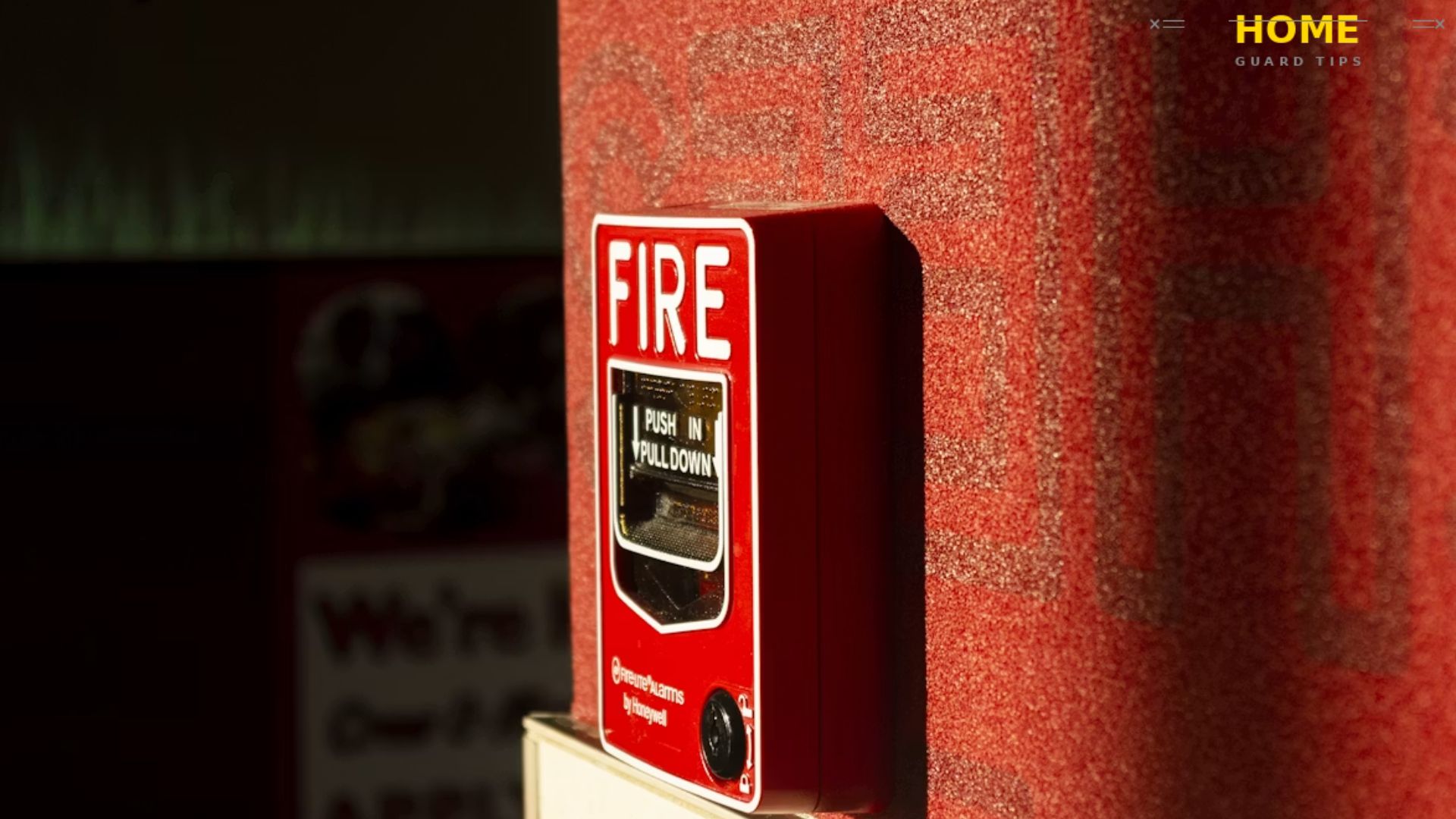
Most homeowners are surprised to learn that a basic fire alarm system can cost as little as $500, while a large commercial building can require a six-figure investment. That gap confuses a lot of buyers who just want a straight answer to one question: what will this actually cost me?
The truth is that a fire alarm system installation cost depends on a handful of clear variables: the size of your building, whether it is new construction or a retrofit, the type of system you choose, and your local fire code requirements. In this guide, you will find real 2026 pricing for residential and commercial installations, a breakdown of every cost factor, a step-by-step look at the installation process, and answers to the questions people ask most often before they hire an installer.
What Is Fire Alarm System Installation Cost and How It Works
Fire alarm system installation cost refers to the total price of designing, supplying, and fitting a fire detection and notification system in a home or business. This figure typically includes the control panel, detection devices such as smoke and heat sensors, notification devices like horns and strobes, wiring or wireless transmitters, labor, permits, and initial programming.
A fire alarm system works by pairing sensors that detect smoke, heat, or flame with a central control panel that processes the signal and triggers an audible and visual alarm. Many systems also connect to a monitoring service that automatically notifies the fire department. The installation cost reflects both the hardware needed to cover every room and the skilled labor required to wire, mount, and program the system so it meets National Fire Protection Association (NFPA 72) code.
Why Fire Alarm System Installation Cost Matters in 2026
Fire remains a serious risk to both life and property. The National Fire Protection Association recorded roughly 1.39 million fires across the United States in 2024, resulting in an estimated 3,920 civilian deaths and $19.1 billion in direct property damage.
Beyond the safety case, there is a financial one. Properties with an NFPA-compliant monitored fire alarm system often qualify for insurance discounts of 5 to 20 percent, and buildings that combine alarms with sprinklers can see savings as high as 15 to 45 percent. Local fire codes also increasingly require monitored systems in multi-family housing, offices, and retail spaces, so understanding cost upfront helps you budget instead of getting surprised mid-project.
Key Features and Benefits of a Fire Alarm System
- Early detection. Sensors catch smoke or heat before a fire spreads, giving occupants critical extra minutes to evacuate.
- Automatic monitoring. A connected system alerts a monitoring center around the clock, even if no one is on site.
- Insurance savings. Verified alarm systems frequently lower commercial property insurance premiums.
- Code compliance. A properly installed system keeps you aligned with NFPA 72 and local fire marshal requirements, avoiding fines.
- Property value. A documented, up-to-code fire alarm system is an asset when selling or leasing a building.
Residential Fire Alarm Installation Cost
Home fire alarm pricing depends mostly on square footage and how many detectors and notification devices the space needs.
| Home Size | Typical Installed Cost | What’s Included |
| Small home (1,000–2,000 sq ft) | $2,000 – $3,500 | 6–10 smoke detectors, 2–4 notification devices, small panel |
| Medium home (2,000–3,500 sq ft) | $3,500 – $5,500 | 10–14 smoke detectors, 4–6 notification devices |
| Large home (3,500+ sq ft) | $5,500 – $8,000 | Multi-level coverage, additional devices for basements or specialty rooms |
| Basic standalone system | $500 – $3,000 | Simpler setups with fewer devices, often for smaller properties |
Single smoke detector installation, done independently of a full system, typically runs $250 to $500 per unit including the device and labor, though a simple battery-powered unit can be swapped for far less. Combination smoke and carbon monoxide detectors generally cost $350 to $500 per unit. Hiring an electrician for wiring-related work usually costs $30 to $100 per hour, and homes with older wiring may need an additional $1,000 or more in electrical upgrades before installation can begin.
Commercial Fire Alarm Installation Cost
Commercial pricing scales with square footage, building complexity, and whether the project is new construction or a retrofit.
| Building Size | Typical Installed Cost | Cost Per Sq Ft |
| Small office (under 5,000 sq ft) | $6,000 – $25,000 | $1 – $5 |
| Medium retail or office (5,000–20,000 sq ft) | $20,000 – $75,000 | $1 – $6 |
| Large warehouse (20,000–50,000 sq ft) | $75,000 – $200,000 | $1 – $6 |
| High-rise or complex facility (50,000+ sq ft) | $200,000+ | Varies widely |
Retrofitting an older building costs meaningfully more than new construction, generally $4 to $12 per square foot, because installers have to work around finished walls, existing ceilings, and limited access to run new wiring. As a rough planning figure, fire protection systems typically represent 1 to 1.5 percent of a new building’s total construction budget.
Fire Alarm Equipment Cost Breakdown
| Component | Typical Price |
| Fire alarm control panel (addressable) | $2,000 – $10,000 |
| Fire alarm control panel (conventional) | $1,500 – $2,500 |
| Smoke detector (installed) | $250 – $500 |
| Carbon monoxide detector | $300 – $400 |
| Heat detector | $10 – $100 |
| Flame detector | $2,800 – $3,000 |
| Pull station | $75 – $200 |
| Horn/strobe notification device | $75 – $250 |
Fire Alarm Monitoring, Maintenance, and Inspection Cost
Installation is only the first expense. Ongoing costs keep the system functional and code-compliant.
- Monitoring: Most residential and commercial monitoring plans run $30 to $100 per month, depending on whether the connection is landline, cellular, or IP-based.
- Annual inspection: NFPA 72 requires regular testing; commercial inspections commonly range from $150 to $500 depending on system size.
- Maintenance contracts: Many providers bundle inspection and minor repairs into an annual contract, which can offset the cost of one-off fire alarm repair visits.
- Fire alarm repair cost: Individual repair calls typically range from $100 to $400, though replacing a control panel or major wiring issue costs significantly more.
Step-by-Step Fire Alarm Installation Process
- Site assessment. An installer or fire protection engineer walks the property to determine square footage, occupancy type, and code requirements.
- System design. The installer selects a conventional or addressable system, plans device placement, and calculates battery backup and wiring routes.
- Permitting. Plans are submitted to the local Authority Having Jurisdiction (AHJ) for approval before work begins.
- Equipment installation. Technicians mount the control panel, run wiring or set up wireless transmitters, and install detectors, pull stations, and notification devices.
- Programming and testing. The panel is programmed to match the building layout, and every device is tested individually.
- Inspection and acceptance testing. The local fire marshal or a third-party inspector verifies the system meets code before it goes live.
- Monitoring activation. If monitored, the system is connected to a central station that can automatically dispatch the fire department.
Common Mistakes to Avoid
- Choosing the cheapest quote without checking scope. A low bid that skips permits, programming, or acceptance testing often costs more once those items are added back in.
- Ignoring retrofit complexity. Older buildings almost always cost more per square foot than new construction; budgeting as if they are the same leads to underestimating the project.
- Skipping the monitoring line item. Installation cost is not the full picture. Factor in $30 to $100 a month before deciding on a system.
- Not verifying installer credentials. NICET certification and a state fire alarm license are strong indicators of code-compliant work.
- Overlooking future scalability. A conventional system may be cheaper today but harder and more expensive to expand later than an addressable system.
Expert Tips and Best Practices
- Get at least three quotes and confirm each one includes design, permitting, equipment, labor, and acceptance testing, not just hardware.
- Ask whether the system is conventional or addressable. Addressable systems cost more upfront but pinpoint the exact device that triggered an alarm, which speeds up response and troubleshooting.
- Confirm your installer holds the correct state license and NICET Level II certification, since this affects code compliance and insurance eligibility.
- Bundle installation, monitoring, and annual maintenance with one provider when possible. Many companies offer a discount for combined service agreements.
- Ask your insurance provider about premium discounts before finalizing your system, since some carriers require specific certifications to qualify.
Tools and Resources You Need
- NFPA 72 — the National Fire Alarm and Signaling Code, which governs installation and testing standards.
- Local AHJ (fire marshal’s office) — for permitting and inspection requirements specific to your city or county.
- Licensed fire alarm contractor — verify state licensing before signing a contract.
- Insurance agent — to confirm potential premium reductions tied to system certification.
- Cost calculator or per-square-foot estimate — useful for early budgeting, though a formal site assessment gives the most accurate number.
Frequently Asked Questions
How much does it cost to install a fire alarm system in a house?
Most homes spend between $2,000 and $8,000 depending on square footage, with smaller homes on the lower end and multi-level homes needing more devices and wiring.
What is the average cost per square foot for a commercial fire alarm system?
Commercial installations typically run $1 to $6 per square foot for new construction, with retrofits costing $4 to $12 per square foot due to added labor complexity.
Is a wireless fire alarm system cheaper than a hardwired one?
Wireless systems often cost more upfront per device but can save on labor since there is no need to run wiring through walls, which sometimes makes them more economical for retrofits.
Do I need a monthly monitoring plan?
Monitoring is not always legally required for homes, but many local codes mandate it for commercial buildings, and it is strongly recommended everywhere since it ensures automatic fire department dispatch.
How often does a fire alarm system need to be inspected?
NFPA 72 generally requires annual testing for most components, though some devices and larger commercial systems may need more frequent checks depending on local code.
A complete guide on : Home Security Tips for New Homeowners: Complete Safety Guide
Conclusion
Fire alarm system installation cost varies enormously depending on whether you are protecting a small home or a sprawling warehouse, but the pattern is consistent: size, building age, system type, and monitoring needs drive the final number. A basic residential system can start around $500, while a full commercial buildout in a large facility can climb past $200,000. Getting a detailed, itemized quote from a licensed installer is the only reliable way to know your real number.
Before you sign a contract, compare at least two or three quotes, confirm what is included, and ask about ongoing monitoring and maintenance costs so there are no surprises later.